Deezer: Music & Podcast Player
- 4.3
- Rating
- 100.00M
- Installs
- Free
- Price

 Analysis by App-foxy
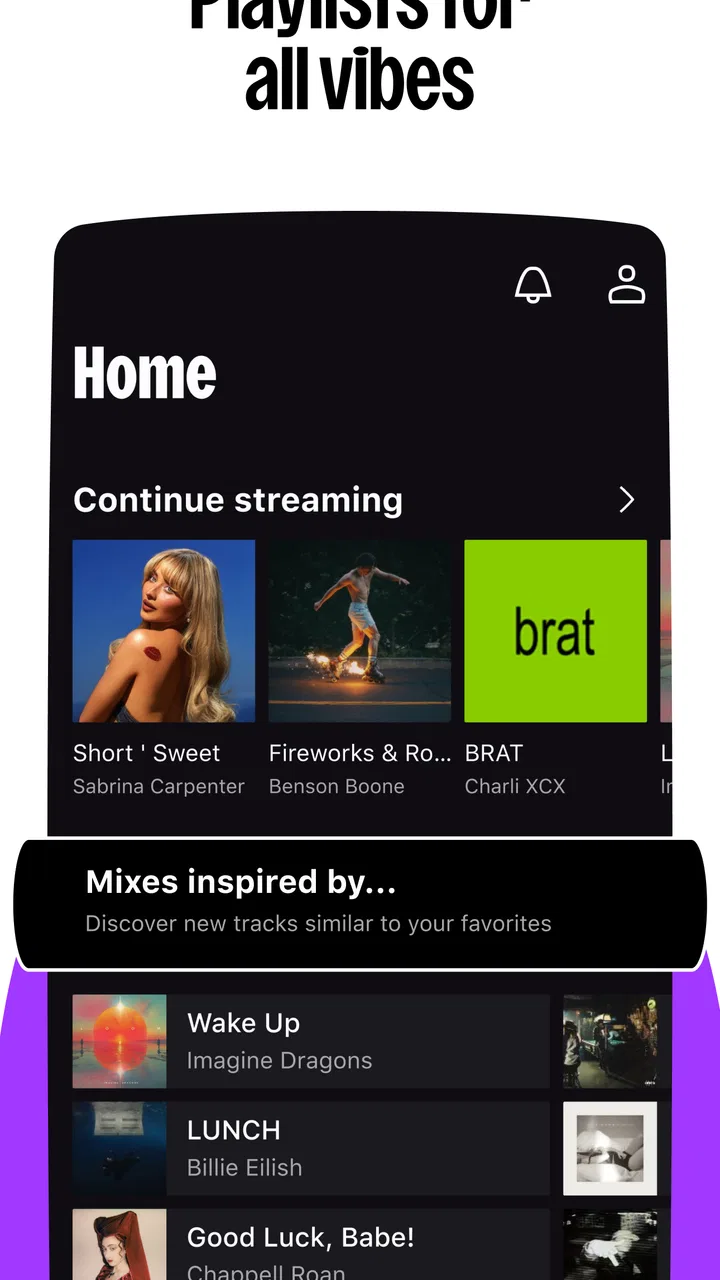
I came away from using Deezer: Music & Podcast Player with the impression that it is less about discovering a single spectacular trick and more about making everyday listening easy to organize. It is a free music and audio app from Deezer Music, with optional in-app purchases ranging from $2.49 to $218.99 per item. The basic appeal is straightforward: I can search for music, arrange playlists, listen to podcasts, and prepare listening for moments when an internet connection is unreliable.
That sounds simple, but music apps often become frustrating at the points around the music itself. A download may not behave as expected, a playlist can seem out of date, or playback may stop for a reason that has nothing to do with the app. My experience is that Deezer works best when I treat setup and library organization as part of the listening routine rather than assuming everything will sort itself out.
Getting past the first points of friction
I find the first hurdles easier to handle when I change one thing at a time instead of rebuilding my setup at the first glitch. In this section, I’ll focus on small checks that help distinguish a library or playback snag from a connection or device issue, so the next part can turn those lessons into a routine that holds up on ordinary days.
You May Also Like

 AccuWeather: Weather Radar
AccuWeather Review: A Quick, Clear Forecast for Everyday Decisions
For everyday plans, the best forecast is the one you can understand quickly. AccuWeather makes rain timing, radar, and local conditions easy to act on, with a few trade-offs.

 Hill Climb Racing
Why Hill Climb Racing Still Turns Crashes Into One More Run
A tiny car, a bumpy hill and one more upgrade: Hill Climb Racing keeps resurfacing because its simple chaos makes every near-miss feel personal.

 AliExpress - Shopping App
AliExpress Makes Global Shopping Feel Personal, but Shoppers Bear the Risk
AliExpress turns a global marketplace into a pocket-sized discovery engine. Its reach is useful, its shopping loop compelling, and its trade-offs easy to miss.

 Lords Mobile: Kingdom Wars
Lords Mobile Is a Kingdom-Building Routine, Not a Quick Match
A case-by-case verdict on the building, battles, device demands, and social commitments that make Lords Mobile rewarding for some players and exhausting for others.

 PDF Scanner app - TapScanner
TapScanner Makes Paperwork Easier to Capture, Check, and Share
TapScanner makes scanning with a phone feel less like a rescue operation and more like a dependable step in getting work done. Its capture tools are useful, though not flawless.

 Block Blast!
 Shows How Much a Puzzle Game Can Leave Out
A quiet grid game shows why puzzle players increasingly value instant clarity, repeatable skill and low-pressure play—and where the genre still needs to catch up.
More From Our News Desk
View All News


Why the first few minutes matter
When I first approach a streaming app, I want to start listening immediately, but Deezer rewards a slightly more deliberate beginning. The useful first step is to search for a few artists, albums, shows, or tracks I genuinely expect to return to. That gives the app a clearer picture of my habits and, more importantly, helps me build a library that I can navigate without repeatedly typing the same searches.
I would not begin by creating a dozen highly specific playlists. A small set of practical groups is easier to maintain: one for commuting, one for focused work, one for familiar favorites, and perhaps another for podcasts. This makes the app feel less like a large catalog and more like a personal shelf. If I save everything indiscriminately, the library becomes harder to use than the search screen.
The app is rated for Teen users, so it is not positioned as a child-focused listening environment. That matters for families deciding whether to hand over a device without supervision. I would make content choices together with a younger listener instead of assuming that a general music and audio service will automatically match a child’s needs.
Checking the basics before blaming playback
Many apparent Deezer problems begin with ordinary setup issues. Before changing anything complicated, I check whether the device has a stable connection, whether another app can load network content, and whether the phone is trying to conserve battery or mobile data. A weak connection can look like a broken search, a stalled track, or a playlist that refuses to refresh.
I also check the selected output. If I am expecting sound from headphones, a car system, or a wireless speaker, I first verify that the device is actually connected to the intended destination. A track that appears to be playing while I hear nothing is often an output problem rather than a Deezer problem. Disconnecting and reconnecting the audio device is usually a more sensible first move than reinstalling the app.
Another useful check is storage. Offline listening depends on having enough room for saved audio, and a nearly full phone can create confusing behavior across several apps. I prefer to remove old downloads and unused media before attempting a large offline collection. This is also a good reason to avoid downloading every playlist at once: keeping only the material I use regularly makes the system easier to manage.
Understanding the free starting point
Deezer can be installed and used without an upfront purchase, which makes it easy to test whether its library, interface, and recommendations suit me. The presence of in-app purchases means that some listening arrangements may involve a paid option, so I would review the available choices inside the app before assuming that every function follows the same rules as the free experience.
This distinction is important when planning offline listening. I would not wait until boarding a flight or entering an area with poor reception to discover that a particular listening plan does not support the way I want to use saved content. I would test the exact playlist or album in advance, while connected, and confirm that it remains available when the connection is temporarily removed.
What to do when a playlist looks wrong
Playlist confusion is one of the most common places where I expect users to get stuck. If a track appears missing, I first search for it directly instead of assuming the whole playlist has failed. Titles can be easy to confuse, especially when several versions of a song exist. The album version, a live recording, a remix, and a podcast episode may all produce similar search results but behave differently in a carefully arranged queue.
I also separate two tasks that are easy to mix up: saving something for later and making it part of a listening sequence. A favorite track is not necessarily in the same place as a playlist item, and changing one does not always express the same intention as changing the other. I keep a small number of playlists with clear purposes so I know whether I am trying to remember a track, build a sequence, or prepare offline listening.
Building a reliable listening workflow
Once the basics are settled, I get more from Deezer by making a few listening decisions before I’m in a hurry. I’ll look at how I can keep music, spoken audio, and offline plans from becoming one muddled queue, with practical habits that make it easier to pick up listening where I want.
A setup routine I would actually use
My preferred Deezer routine starts with discovery, followed by cleanup. I search for an artist or show, listen briefly, and save only what I expect to revisit. Then I place the selection into a playlist with a name that describes a situation rather than a vague mood. “Train ride” tells me more than “good songs,” especially when I am trying to choose something quickly.
For a longer trip, I prepare while connected to a dependable network. I open the exact playlist I want, check its contents, and allow the offline preparation to finish before leaving home. I then test the result by switching to a situation where the connection is unavailable or unreliable. The most useful offline test is the one I perform before I need it. This catches incomplete preparation while I still have time to correct it.
I avoid editing a playlist repeatedly during that preparation. Constant changes make it harder to remember which version I intended to save. My practical approach is to finish the playlist first, prepare it for offline use, and make later changes in a separate working playlist. Once I am satisfied, I can replace the older version instead of wondering whether the device has the latest arrangement.
Recovering from interrupted playback
If playback stops, I work from the least disruptive fix to the more involved one. I pause and resume once, check the connection, and try another track. If only one item fails, the issue may be tied to that item or its current availability rather than the entire app. If everything fails, I close and reopen Deezer, then check whether the phone itself is having network or audio problems.
I find it helpful to remember what changed immediately before the problem. Did I move from Wi-Fi to mobile data? Did I connect headphones? Did I start an offline playlist? Did the phone enter a low-power state? That short timeline usually points to a better solution than randomly clearing settings.
When a queue behaves unexpectedly, I rebuild it in a controlled way. I start one known track, add a second item, and observe whether the transition works. If that succeeds, I add the rest gradually. This may feel slow, but it reveals whether the difficulty comes from one title, a complicated queue, or a wider playback issue. It also protects me from losing a carefully planned listening session through unnecessary resets.
Keeping offline listening manageable
Offline access is most useful when I treat it as a rotating kit rather than a permanent copy of my entire listening history. I keep a few dependable playlists ready for regular situations and refresh them when my plans change. This saves storage and reduces the chance that I will open an old playlist expecting it to reflect my current preferences.
I also distinguish between downloading a full listening session and saving individual items for later discovery. A large mixed collection can be difficult to search when I am offline, while a small playlist built around one activity is easier to start and easier to replace. For a commute, I want a sequence that begins well and does not require decisions. For a weekend at home, I am more comfortable browsing and changing direction.
If offline content does not appear, I first return to the connection and revisit the playlist rather than immediately deleting everything. I check whether the intended items are still present, then repeat the preparation for that specific selection. Removing all saved content should be a last resort because it creates more work and can hide the original cause.
Using the app for podcasts without mixing everything together
Deezer is not limited to music; it also handles podcasts, which makes it convenient for people who want one audio destination. My main organizational tip is to keep podcast listening separate from music playlists. A playlist designed for songs is not the best place to track spoken episodes, because the two types of listening have different rhythms and different reasons for returning.
For podcasts, I prefer a simple routine: find a show, sample an episode, and save or revisit only the programs that fit my schedule. Before a long journey, I choose specific episodes rather than relying on a broad collection. That makes it easier to know what I intended to hear and prevents a music session from turning into an accidental talk-heavy queue.
This is also where Deezer may not be the ideal choice for everyone. If podcasts are the main reason I use an audio app, a service built specifically around episode tracking may offer a more focused workflow. Deezer makes sense when I want music and podcasts together, not necessarily when I want the deepest possible podcast management.
When the app is not the real cause
Some complaints that appear to concern Deezer actually begin with the phone. A device with very little free storage can struggle with any offline media. A wireless connection can drop while the app remains open. A car system may connect for calls but not handle media audio in the same way. In each case, the app becomes the visible part of a wider chain.
I test this by changing one factor at a time. I try the phone’s own speaker, then wired or alternative headphones if available. I compare Wi-Fi with mobile data, and I test another audio app to see whether the same output problem appears there. If every audio source fails, reinstalling Deezer is unlikely to be the right first answer.
Network changes can also create misleading results. A track may begin on Wi-Fi and stop after the phone switches connections, while an offline item may work normally. That contrast tells me to investigate connectivity and saved-content preparation separately. Treating them as one problem leads to unnecessary changes and makes recovery harder.
I am cautious with destructive troubleshooting. Signing out, clearing local content, or reinstalling may remove convenient local arrangements and force me to rebuild them. I use those steps only after simpler checks fail, and I make sure I know which playlists or listening choices I can recreate. The goal is to restore listening, not to erase the evidence needed to understand what went wrong.
Who will appreciate Deezer most?
I think Deezer suits listeners who move between music discovery, personal playlists, and podcasts without wanting separate apps for each activity. It is especially practical for someone who listens in several contexts: background music while working, familiar tracks during travel, and spoken audio during chores. The free entry point also makes it reasonable to explore the interface before deciding whether an optional purchase fits the way you listen.
The app has reached over 100 million installs and holds a 4.2 average from around 3.6 million ratings, which suggests a broad audience rather than a niche tool. Those numbers do not decide whether I will enjoy it, but they do match my impression that Deezer is designed for ordinary daily listening rather than a specialist audio workflow.
I would be more hesitant to recommend it to someone who wants a very minimal player with only locally stored files, or to a listener who expects every advanced audio preference and library behavior to be immediately obvious. Deezer is built around a catalog and connected experience. If I do not want streaming, discovery, or optional paid arrangements, much of its appeal becomes less relevant.
How it compares with familiar alternatives
Compared with a basic local music player, Deezer offers a much broader discovery and streaming experience, but it also asks me to think about connectivity, saved content, and account-based organization. A local player is simpler when my collection already exists on the device. Deezer is more useful when I want to search beyond those files and keep music and podcasts in one place.
Compared with a video-first platform, Deezer feels more focused on listening rather than watching. That can be an advantage when I want to conserve attention during work or travel. The trade-off is that a video platform may be more convenient for visual performances, unusual uploads, or content I already follow there.
Compared with a podcast-focused service, Deezer is broader but less specialized. I like the convenience of switching from an album to an episode without changing apps, while a dedicated podcast tool may be better for someone who follows many shows and needs highly detailed episode organization. The right choice depends on whether music is the center with podcasts alongside it, or the other way around.
My practical verdict
After using Deezer as an everyday Music & Audio app, I see its strongest quality in the way it brings several listening habits into one manageable space. Searching, saving, arranging playlists, and preparing offline sessions can become a smooth routine once I understand the difference between library organization, queues, and offline preparation.
Its weak points are mostly practical rather than dramatic. Setup can feel less obvious when a user expects saved content to behave exactly like local files. Playback problems can also be misdiagnosed when the real cause is a wireless connection, storage pressure, or an external audio device. The answer is not to ignore those frustrations, but to use a short, methodical check before changing the whole installation.
Deezer Music has a 4.2 average across around 3.6 million ratings, with roughly 51 thousand written reviews, and it is free to install with optional purchases. I would recommend trying it to a friend who wants music and podcasts together, values playlists, and is willing to spend a few minutes setting up a reliable offline routine. I would point a local-file enthusiast or podcast specialist toward a more focused alternative.
My final advice is simple: start with a small library, create playlists around real situations, test offline listening before travel, and treat output and network checks as part of troubleshooting. Used that way, Deezer is a flexible daily listener rather than just another place to press play, and that is the reason I would keep it on my phone.
FAQs for Deezer: Music & Podcast Player
01What features does Deezer offer compared to other music streaming apps?
Deezer provides a comprehensive music streaming experience with over 73 million tracks, personalized playlists, and Flow, its unique feature for music discovery. It also supports podcasts, offline listening, and high-fidelity audio with its HiFi subscription. These features make it a strong competitor in the music streaming space.
02How does Deezer's free version compare to the premium subscription?
The free version of Deezer offers access to its extensive music library but includes ads and limits some features like offline listening and track skips. The premium subscription removes ads, allows unlimited skips, and enables offline access. For audiophiles, the HiFi subscription provides high-definition audio.
03Is Deezer available in all countries?
Deezer is available in over 180 countries, making it one of the most globally accessible music streaming services. However, the availability of specific features and content might vary depending on regional licensing agreements, so it’s recommended to check local availability before subscribing.
04Can I transfer my playlists from another music service to Deezer?
Yes, Deezer supports playlist transfers from other music services through third-party tools like Soundiiz and Tune My Music. These services facilitate the migration of your playlists, allowing you to enjoy your existing music collections on Deezer with minimal hassle.
05Does Deezer support offline listening and how does it work?
Deezer allows offline listening for premium subscribers. You can download your favorite tracks, albums, or playlists to your device and enjoy them without an internet connection. This feature is particularly useful for commuting or traveling in areas with limited connectivity.
Pros
- Wide variety of music and podcasts.
- Offline listening with premium account.
- High-quality audio streaming available.
- User-friendly interface for easy navigation.
- Personalized recommendations improve over time.
Cons
- Free version has limited skips and ads.
- Some features locked behind paywall.
- Occasional issues with app stability.
- Podcast selection not as extensive as music.
- Family plan pricing could be more competitive.

Deezer: Music & Podcast Player
Gallery